Thinking about going solar in New Zealand? Before you commit, it’s key to understand your options. In this guide, we break down the three main solar system types in NZ—grid-tied, hybrid, and off-grid—so you can choose the right setup for your home, lifestyle, and budget.
Thinking about going solar in New Zealand? One of the first decisions you'll need to make is what type of solar system best fits your lifestyle, property, and energy needs.
Let’s break down the three most common solar system types in NZ—grid-tied, hybrid, and off-grid—so you can choose the right solution for your home or bach.
1. Grid-Tied Solar (No Battery)
Best for: Urban households with reliable grid access
Cost: Lowest upfront investment
Power independence: Low
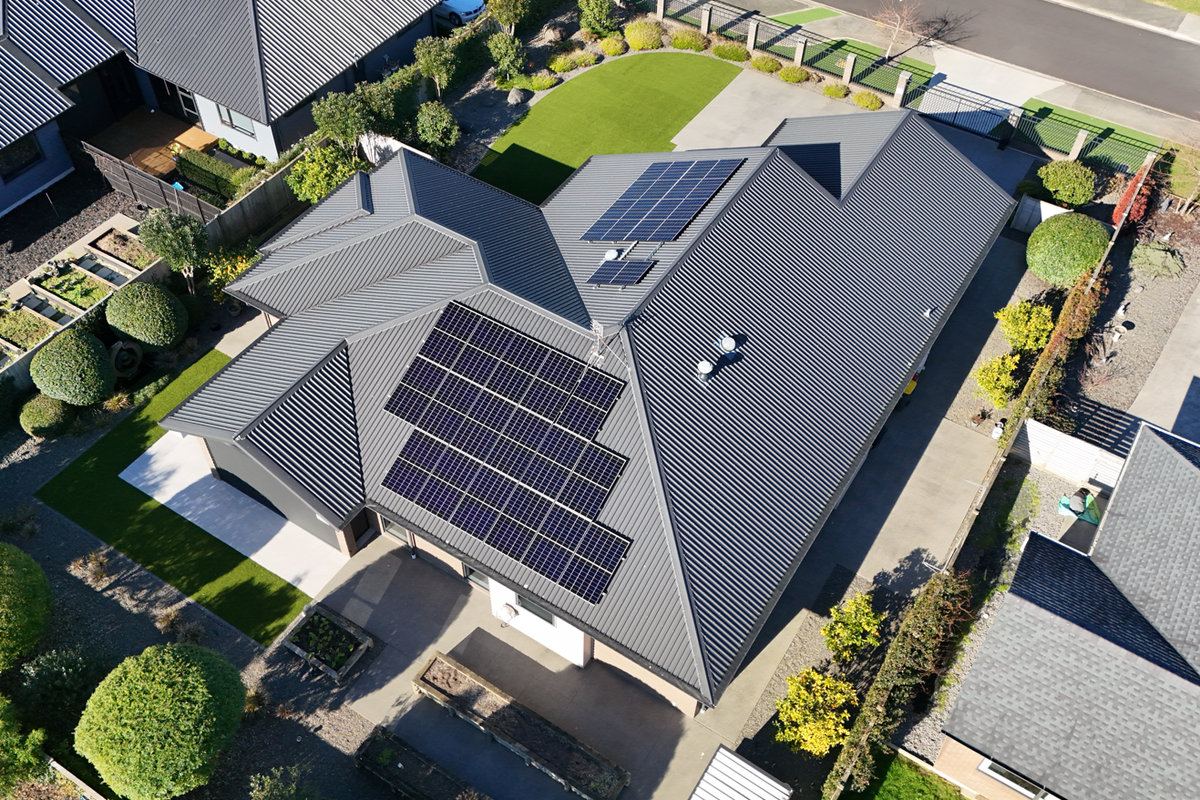
A grid-tied solar system is the most popular and affordable option in NZ. It connects your solar panels directly to the electricity grid. You’ll use your solar power during the day, and any extra energy goes back into the grid—often earning you credits through your power retailer’s buy-back rate.
At night or when solar production drops, you’ll draw from the grid as usual. It’s a simple, low-maintenance setup that works well for families looking to lower their power bill without going fully off the grid.
Pros:
- Lowest installation cost
Lowest installation cost
- No need for battery storage
No need for battery storage
- Eligible for export buy-back credits
Eligible for export buy-back credits
Cons:
- Doesn’t work during a power outage
Doesn’t work during a power outage
- Still reliant on grid supply at night or on cloudy days
Still reliant on grid supply at night or on cloudy days
2. Hybrid Solar System (With Battery Storage)
Best for: Households wanting more energy independence
Cost: Moderate to high
Power independence: Medium to high
A hybrid system combines solar panels with battery storage. You still stay connected to the grid, but now you can store extra solar energy generated during the day and use it later—especially useful in the evenings when power use tends to spike.
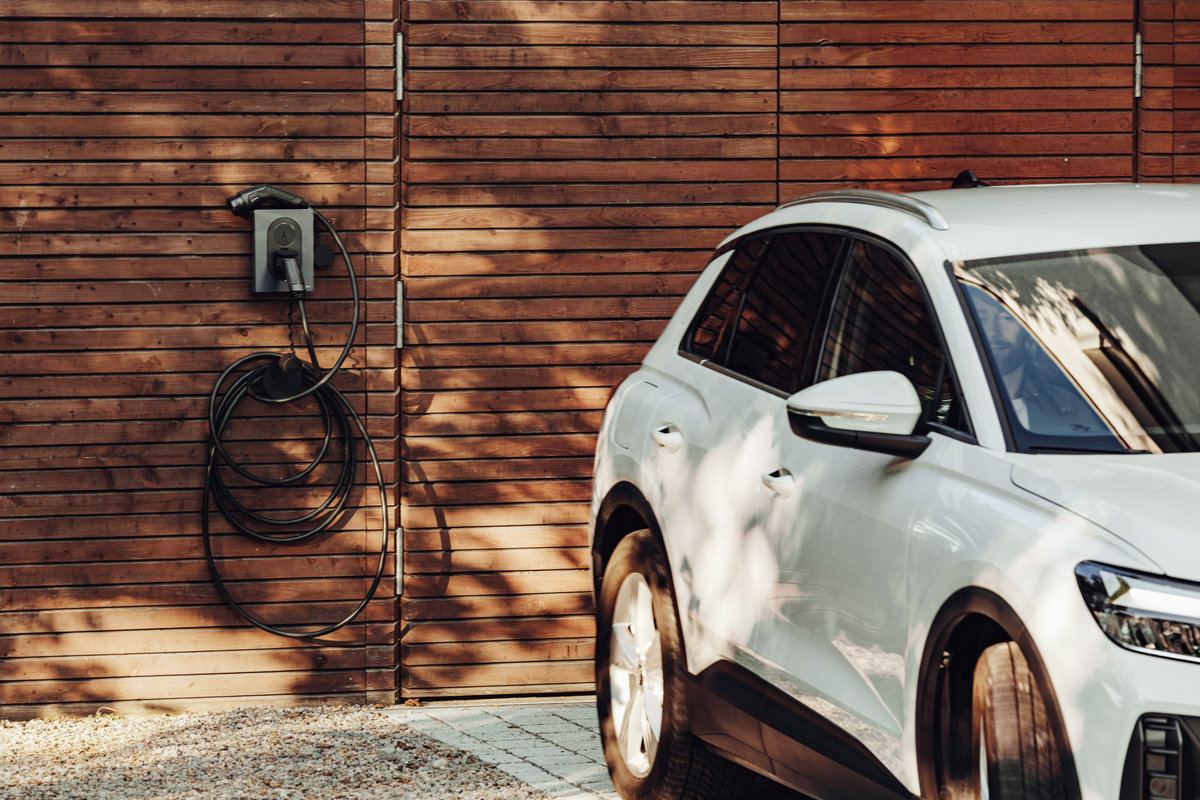
Hybrid setups are becoming increasingly popular in NZ as battery prices drop and energy independence becomes a priority. Some homeowners even add EV charging to the mix for a fully integrated renewable setup.
Pros:
- Use your own power day and night
Use your own power day and night
- Backup power during outages (with the right inverter)
Backup power during outages (with the right inverter)
- Lower reliance on grid electricity
Lower reliance on grid electricity
Cons:
- Higher upfront cost (batteries aren’t cheap)
Higher upfront cost (batteries aren’t cheap)
- Batteries may need replacing every 10–15 years
Batteries may need replacing every 10–15 years
3. Off-Grid Solar
Best for: Remote properties or those wanting full energy independence
Cost: Highest
Power independence: 100%
Living off the grid means your home is powered entirely by your solar system—no power lines, no bills, and total energy self-reliance. Off-grid systems use larger battery banks, inverters, and sometimes backup generators to handle your power needs 24/7.
This setup suits remote homes, farms, or eco-lodges where grid access is limited or non-existent. It also appeals to those who want to live sustainably and independently.
Pros:
- Full control of your power supply
Full control of your power supply
- No monthly power bills
No monthly power bills
- Ideal for remote or rural locations
Ideal for remote or rural locations
Cons:
- Highest setup and maintenance cost
Highest setup and maintenance cost
- Requires careful energy planning and backup options
Requires careful energy planning and backup options
How to Choose the Right System for You
Here are a few key questions to ask:
- Do you have access to the grid? If yes, grid-tied or hybrid might be your best bet.
Do you have access to the grid? If yes, grid-tied or hybrid might be your best bet.
- Do you want energy security during outages? Consider hybrid with backup capability.
Do you want energy security during outages? Consider hybrid with backup capability.
- Do you live remotely or want full independence? Off-grid is your go-to.
Do you live remotely or want full independence? Off-grid is your go-to.
- What’s your budget? Start with grid-tied if you’re looking for the most affordable entry point.
What’s your budget? Start with grid-tied if you’re looking for the most affordable entry point.
Want Advice from NZ Solar Experts?
At Solar Hub NZ, we help homeowners and businesses across New Zealand find the perfect solar system for their needs—whether it’s urban grid-tied setups or remote off-grid solutions.
Contact us for a free solar assessment, and let’s power your home the way that works best for you.
FAQs About Solar Power Systems in New Zealand
In most cases, no building consent is required to install solar panels on your existing roof in New Zealand. However, if the installation involves structural changes or is part of a new build, check with your local council or installer.
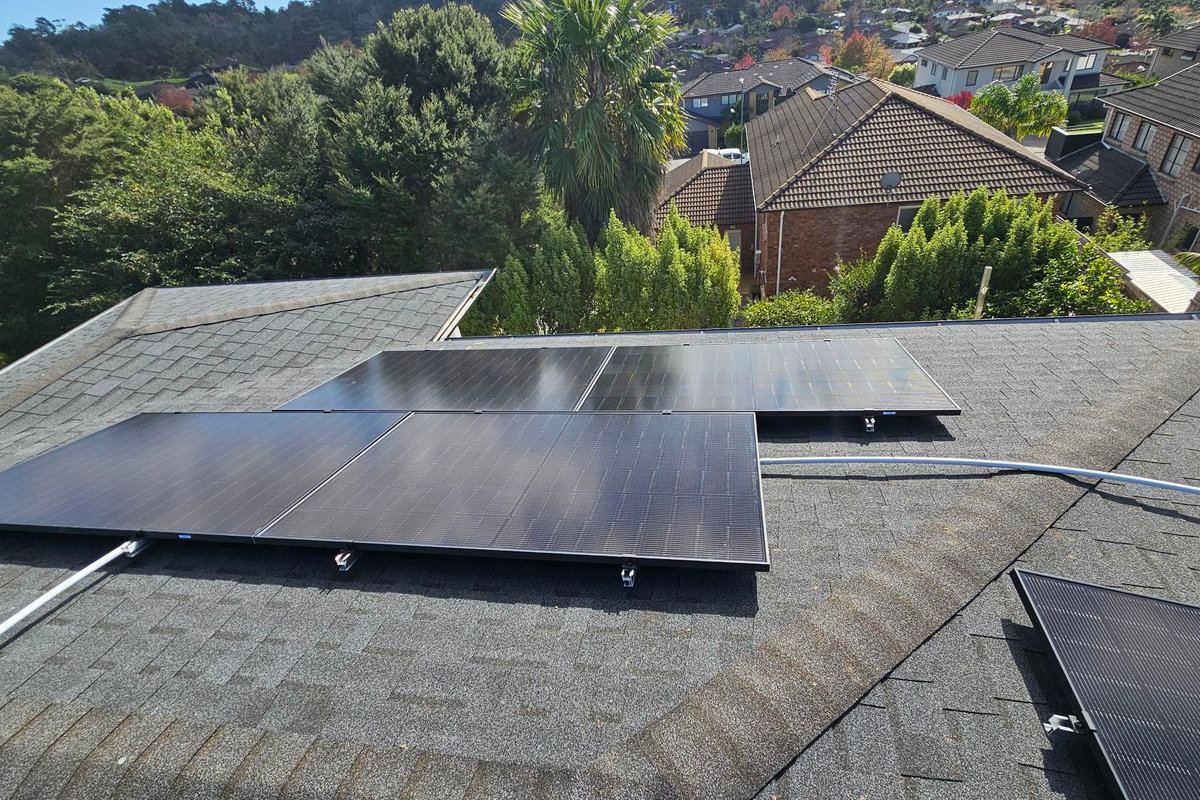
Solar panels are most effective on north-facing roofs with minimal shading. East- and west-facing roofs can also work, though with slightly reduced efficiency. A solar installer can assess your roof’s suitability.
Most residential solar systems can be installed in one to two days. Connection to the grid and final approvals may take a little longer depending on your electricity provider.
Grid-tied systems without batteries will shut off during a power outage for safety reasons. Hybrid systems with battery backup, or off-grid setups, can continue supplying power during blackouts.
Yes. Many homeowners in New Zealand start with a grid-tied system and add batteries later. To future-proof your setup, consider installing a battery-compatible inverter from the outset.
While there are no nationwide subsidies, many New Zealand banks offer low-interest green loans for solar. Some installers also provide finance plans to help spread the cost.
Want a free quote?
Our team will design a system tailored to your roof, usage and budget — no pressure, no obligation.